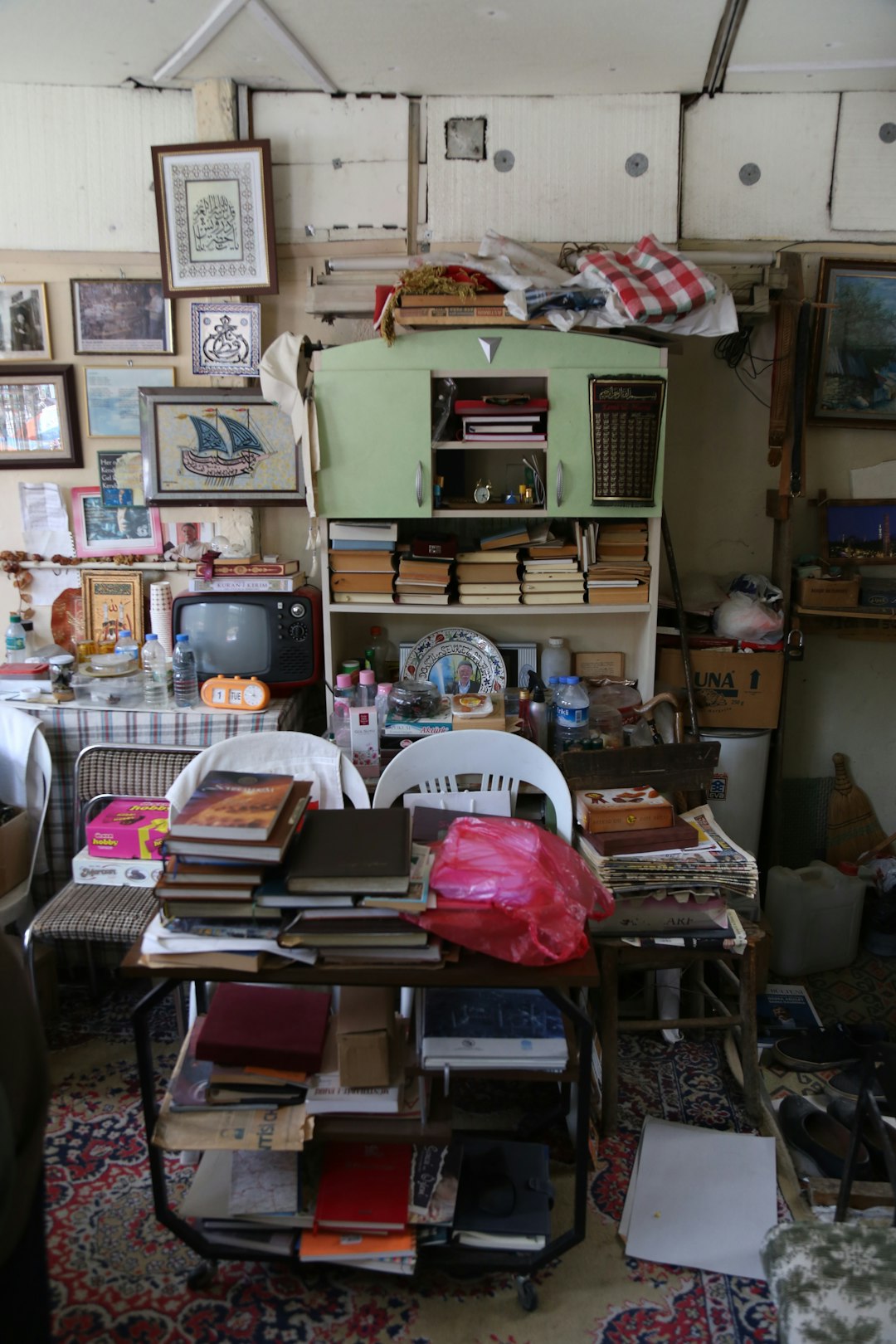
Basement Clearance Experts: Unlocking Space, Driving Innovation
Introduction
In the realm of real estate and urban development, basement clearance experts play a pivotal role in transforming underutilized spaces into valuable assets. This specialized service involves the strategic removal of debris, renovation, and optimization of basement areas, often found in residential, commercial, or industrial properties. As cities grapple with space constraints and the need for sustainable development, basement clearance has emerged as a game-changer, offering both practical solutions and economic opportunities. This comprehensive article aims to delve into the world of basement clearance experts, exploring their definition, global impact, economic significance, technological innovations, regulatory frameworks, challenges, and future prospects.
Understanding Basement Clearance Experts: Unveiling the Core
Definition: Basement clearance experts are specialized contractors or service providers equipped with the knowledge, skills, and resources to efficiently clear, renovate, and utilize basement spaces. Their expertise lies in navigating the unique challenges of basement environments, including structural considerations, moisture management, and potential hazardous materials.
Core Components:
- Debris Removal: The initial step involves assessing and removing various types of debris, such as old furniture, construction waste, and non-hazardous materials, to create a safe and accessible space.
- Renovation and Design: Experts collaborate with clients to design and implement renovation plans tailored to specific needs, including adding value through aesthetic improvements and functional enhancements.
- Moisture Control: Addressing moisture issues is critical in basement spaces. Experts employ advanced techniques and materials to prevent or mitigate water infiltration, ensuring a dry and healthy environment.
- Structural Integrity: Ensuring the structural soundness of basements is paramount. Experts assess and reinforce structures as needed, guaranteeing safety and longevity.
- Hazardous Material Management: Identifying and safely removing potential hazardous substances, like asbestos or lead paint, is a specialized task handled by experts to protect occupants' health.
Historical Context: The concept of basement clearance has evolved over time, driven by changing urban landscapes and shifting needs. Historically, basements were often used for storage or as utility spaces. However, with increasing urbanization and the rise of smart homes, there is a growing demand to utilize basement areas for living, working, or recreational purposes. This shift has fueled the need for experts who can navigate the complexities of basement conversion while adhering to building codes and safety standards.
Global Impact and Trends: A World of Opportunities
The influence of basement clearance experts transcends geographical boundaries, with notable trends shaping their industry globally:
-
Urbanization and Space Scarcity: Rapid urbanization in developing nations has led to a surge in demand for creative space solutions, including basement conversions. Cities like Beijing, Tokyo, and Mumbai are embracing basement utilization to address housing and commercial space shortages.
-
Sustainable Development: There is a growing trend towards sustainable and eco-friendly basement clearance practices. Experts are employing green building materials, energy-efficient systems, and waste reduction strategies in their renovations, aligning with global sustainability goals.
-
Smart Home Integration: As smart home technology advances, experts are integrating IoT (Internet of Things) devices and automation into basement designs. This trend enhances functionality, security, and comfort for occupants while appealing to tech-savvy homeowners.
-
Regional Variations: Different regions have unique approaches to basement clearance. For instance, in Northern Europe, where basements are common, experts focus on moisture control and energy efficiency. In the US, basement finishing has a strong do-it-yourself culture, influencing expert services accordingly.
Economic Considerations: A Driving Force
Market Dynamics: The global basement clearance market is experiencing steady growth, driven by urbanization, changing consumer preferences, and government initiatives promoting sustainable development. According to a 2022 report by Grand View Research, the market size was valued at USD 15.7 billion in 2021 and is projected to expand at a CAGR of 5.2% from 2022 to 2030.
Investment Patterns:
- Real Estate Developers: Commercial and residential developers are significant investors in basement clearance projects, particularly in urban areas where space is premium. They collaborate with experts to create marketable properties, ensuring high returns on investment.
- Private Homeowners: Growing interest in home renovation and the desire for versatile living spaces have led to increased demand for basement conversion services among private homeowners.
- Government Initiatives: Many governments offer incentives and grants to promote basement utilization as a solution to housing shortages and urban regeneration.
Economic Impact:
- Job Creation: Basement clearance projects contribute to employment opportunities, including contractors, builders, designers, and support staff.
- Local Business Growth: The industry supports local businesses, from material suppliers to furniture makers, fostering economic development within communities.
- Property Value Enhancement: Successful basement conversions can significantly increase property values, benefiting homeowners and real estate markets.
Technological Advancements: Revolutionizing the Space
Innovations in Equipment and Materials:
- Advanced Debris Removal: Modern debris removal equipment, including specialized vacuums and sorting systems, enhances efficiency and environmental friendliness.
- Moisture Control Technologies: Newer moisture barriers, dehumidifiers, and smart monitoring systems ensure efficient water management in basements.
- Structural Reinforcement: Fiberglass reinforcement bars and advanced sealing techniques improve structural integrity while reducing material costs.
Digital Tools and Software:
- 3D Modeling and Design: Experts utilize 3D modeling software to create precise designs, visualize spaces, and communicate ideas effectively with clients.
- Building Information Modeling (BIM): BIM technology allows for comprehensive digital representation of basement projects, improving coordination among stakeholders.
- Remote Monitoring: Internet-connected sensors enable remote monitoring of moisture levels, temperature, and other environmental factors, enhancing predictive maintenance.
Emerging Technologies:
- Robotics and Automation: The use of robots in demolition and cleaning processes is gaining traction, offering increased efficiency and reduced worker exposure to hazardous materials.
- Virtual Reality (VR) and Augmented Reality (AR): These technologies provide immersive experiences for clients, allowing them to visualize basement designs before renovation.
- Smart Home Integration: Advanced automation systems that control lighting, temperature, and security can be seamlessly integrated into basement spaces, enhancing their appeal and functionality.
Policy and Regulation: Navigating the Legal Landscape
The basement clearance industry is subject to various policies and regulations designed to ensure safety, quality, and ethical practices. These guidelines vary across jurisdictions but generally cover the following areas:
- Building Codes: Local building codes dictate structural requirements, material standards, and safety measures for all construction projects, including basement clearances.
- Permits and Licenses: Obtainment of permits and licenses is mandatory for most renovation projects, ensuring compliance with local regulations and providing a record of the work performed.
- Hazardous Material Management: Strict regulations govern the handling, storage, and disposal of hazardous substances to protect workers and the environment. Experts must follow specific protocols and obtain necessary permits for such materials.
- Health and Safety Standards: These standards cover worker safety, equipment maintenance, and site management practices to minimize risks during basement clearance operations.
- Environmental Protection: Some regions have environmental protection laws that regulate soil disturbance, water usage, and waste disposal during renovation projects.
Challenges and Criticisms: Overcoming Barriers
Despite its numerous benefits, the basement clearance industry faces several challenges and criticisms:
- Spatial Constraints: Basements often present unique design challenges due to limited headroom, narrow access points, and varying soil conditions. Experts must employ creative solutions and specialized equipment to navigate these obstacles.
- Moisture and Water Damage: Moisture control is a significant concern in basement spaces, requiring ongoing maintenance and advanced technology to prevent water infiltration.
- Structural Concerns: Assessing and reinforcing structural elements can be complex, especially in older buildings. Experts must conduct thorough inspections and employ appropriate reinforcement techniques.
- Environmental Impact: While promoting sustainable practices, experts must also address the environmental impact of debris removal, construction materials, and waste disposal. Recycling and recycling initiatives can mitigate these concerns.
- Perception and Misconceptions: There is sometimes a misconception that basement conversions are low-quality or temporary solutions. Experts face the challenge of changing these perceptions through high-quality work and successful project outcomes.
Actionable Solutions:
- Technological Advancements: Continued investment in research and development will lead to more efficient and environmentally friendly technologies, addressing moisture and structural issues effectively.
- Industry Standards and Certification: Establishing and promoting industry standards and certifications can ensure quality workmanship and enhance consumer trust.
- Public Awareness Campaigns: Educating the public about the benefits and potential of basement clearance can dispel misconceptions and encourage informed decision-making.
- Collaborative Efforts: Partnering with architects, engineers, and urban planners can lead to better-integrated solutions for basement utilization within larger urban development projects.
Case Studies: Successful Applications and Lessons Learned
Case Study 1: Urban Loft Conversion (New York City) A historic brownstone in Manhattan was transformed into a modern, multi-functional living space with the help of basement clearance experts. The project involved removing old asbestos insulation, reinforcing the structural beams, and creating an open-plan basement apartment with a home office, media room, and wet bar. The successful conversion doubled the property's livable space while maintaining its architectural integrity.
Key Takeaways:
- Creative design solutions can transform underutilized spaces into desirable living areas.
- Asbestos abatement requires specialized knowledge and equipment to ensure occupant safety.
- Structural reinforcement is crucial for maintaining building stability during renovations.
Case Study 2: Sustainable Basement Renovation (Berlin, Germany) A family home in Berlin's downtown area underwent a basement renovation focused on sustainability and energy efficiency. Experts utilized natural materials like wood and recycled metal, installed solar panels, and implemented a smart heating system. The renovated space now serves as a cozy family room with a home office, utilizing the existing structure while reducing environmental impact.
Lessons Learned:
- Green building practices can enhance basement spaces while aligning with global sustainability goals.
- Integrating renewable energy sources improves energy efficiency and reduces long-term operational costs.
- Smart home technology enhances comfort and security while appealing to tech-savvy occupants.
Future Prospects: Looking Ahead
The future of basement clearance experts is promising, with several growth areas and emerging trends on the horizon:
- Smart City Integration: As cities embrace smart city initiatives, basement spaces can play a pivotal role in housing data centers, renewable energy systems, and smart transportation infrastructure.
- Micro-Living Solutions: Increasing demand for affordable housing and compact living spaces will drive innovation in basement micro-apartments, catering to young professionals and students.
- E-Sports and Entertainment Hubs: Basements can be transformed into dedicated gaming arenas and entertainment venues, fueled by the growing popularity of e-sports and virtual reality experiences.
- Vertical Farming: With urban food security gaining prominence, vertical farming techniques can be implemented in basement spaces, providing fresh produce for nearby communities.
- Digital Twin Technology: The use of digital twins to model and monitor basement environments will enable predictive maintenance and enhance overall efficiency.
Conclusion: Shaping the Future of Urban Spaces
Basement clearance experts are at the forefront of transforming urban spaces into vibrant, functional, and sustainable environments. As cities grapple with space constraints, environmental concerns, and changing lifestyles, these specialists play a critical role in addressing these challenges. Through technological advancements, innovative design solutions, and adherence to regulatory frameworks, basement clearance is revolutionizing how we utilize and perceive these often-overlooked areas.
The global impact of this industry is profound, offering economic opportunities, enhancing urban landscapes, and providing creative living and working spaces. As the world continues to evolve, basement clearance experts will remain essential in shaping the future of our cities, homes, and communities.
FAQ Section: Addressing Common Concerns
Q: How do I choose a reputable basement clearance expert? A: Look for companies with proper licensing, insurance, and positive customer reviews. Inquire about their experience, reference projects, and post-renovation maintenance plans. Reputable experts will provide transparent quotes and adhere to building codes and safety standards.
Q: What are the potential costs involved in basement clearance? A: Costs vary widely based on project scope, location, and complexity. Factors include debris removal, structural reinforcement, finishing materials, and labor. Requesting detailed quotes from multiple experts will help you understand the financial implications of your specific project.
Q: Can basement clearance increase property value? A: Absolutely! Well-designed and executed basement conversions can significantly enhance property value. Increased livable space, improved aesthetics, and added functionality are all factors that appeal to buyers, potentially leading to a higher sale price or rental income.
Q: How do I ensure the safety of my family during basement renovation? A: Safety is paramount. Choose experts with a proven track record of safe practices and ask about their health and safety protocols. Ensure proper ventilation, especially during moisture control processes, and maintain clear communication regarding access and potential hazards.
Q: Are there tax incentives for basement conversion projects? A: Yes, many governments offer tax benefits and grants to encourage basement utilization. Check local regulations and consult a financial advisor or accountant to explore available incentives for your project.
Category: basement clearance experts
Transforming Basements: Design, Decor, Efficient House Clearance
Read more →Basement Makeover: Experts Clear, Design, Finish Transformations
Read more →
Optimize Basement Safety: Storage, Ventilation, Fire & House Clearance
Read more →Transform Basements: Efficient Storage & Remodeling Guide
Read more →
Unleash Basement Potential: Natural House Clearance & Cozy Design
Read more →Transform Your Basement with House Clearance & Design Ideas
Read more →Optimize Your Basement: Effective Insulation with Property Clearance
Read more →Proper Basement Insulation for Your Property Clearance
Read more →
Optimize Basement Comfort: Effective House Clearance Insulation Guide
Read more →Optimize Basement Comfort: Efficient Insulation with Property Clearance
Read more →Optimize Basement Comfort: Efficient Insulation with Property Clearance
Read more →Proper Basement Insulation: Protect Your Property with Care
Read more →Insulate Your Basement: Effective House Clearance Strategies
Read more →Proper Basement Insulation: Clear Your Propertys Path to Comfort
Read more →
Insulate Your Basement: Property Clearance & Optimal Efficiency
Read more →
Insulate Your Basement Efficiently: House Clearance Secrets
Read more →Insulate Your Basement Efficiently with House Clearance Tactics
Read more →Optimize House Clearance: Basement Insulation Installation Guide
Read more →
Insulate Your Basement: Clear, Efficient, Effective Solutions
Read more →
Insulate Your Basement: Effective Property Clearance Solutions
Read more →Optimize Comfort: Effective Basement Insulation with House Clearance
Read more →Insulating Basements: Effective Strategies for Property Clearance
Read more →
Optimize Basement Comfort: House Clearance Insulation Solutions
Read more →
Transform Your Basement: Hire Top Clearance Experts
Read more →Transform Your Basement: Find & Hire Top Basement Clearance Experts
Read more →Basement Clearance Experts: Cost-Effective Decluttering Solutions
Read more →Insulate Your Basement: Property Clearance & Effective Installation
Read more →
Transform Your Basement: Hire Right Experts for Success
Read more →
Compare Costs: Basement Clearance Experts for Successful Finishing
Read more →Transform Your Basement on a Budget: Property Clearance Strategies
Read more →
Transform Your Basement: Find Reliable Experts for Clearance
Read more →
Basement Clearance Experts: Smart Budgeting for Quality Finishes
Read more →
Mastering Basement Insulation: Clear, Natural, Step-by-Step Guide
Read more →Transform Your Basement: Find Right Contractor for Clearance
Read more →
Comparing Costs: Basement Clearance Experts for Finish Projects
Read more →
Basement Clearance Experts: Guide to Smart Budget Finishing
Read more →
Insulate Your Basement: Property Clearance for Optimal Comfort
Read more →Transform Your Basement: Hire Expert Clearance Specialists
Read more →Compare Costs: Basement Clearance Experts for Seamless Finish
Read more →Optimize House Clearance: Insulate Your Basement Effectively
Read more →
Basement Clearance Experts: Strategize, Save, Finish Smartly
Read more →Transform Your Basement: Hire Right, Plan Smart, Budget Well
Read more →
Optimize Comfort: Effectively Insulate Your Basement with House Clearance
Read more →
Transforming Basements: Find Reliable Experts for Clearance & Renovation
Read more →
Cost of Basement Decluttering: Hiring Experts for Efficient Clearance
Read more →Transform Your Basement: Hire Right Experts for Optimal Design
Read more →Basement Transformation: Experts Guide to Clear & Optimize Space
Read more →