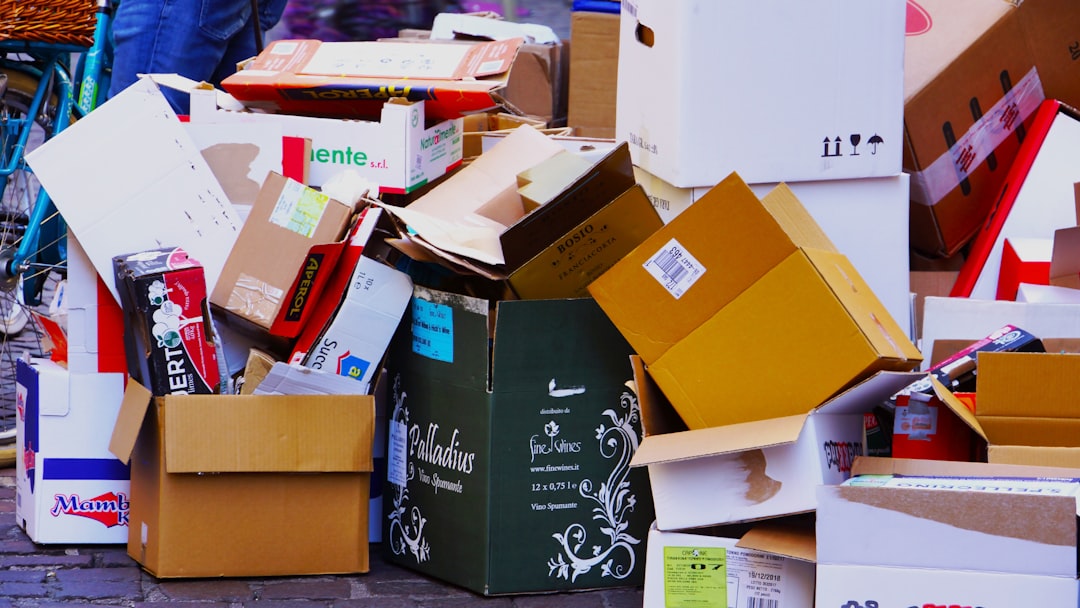
The article emphasizes the crucial role of basement clearance experts in safely clearing hazardous materials from basements. Key insights include: systematic inspection, identification & classification of hazards, prioritization of safety, legal compliance through permits for structural changes and environmental regulations, sustainable practices like recycling and repurposing, and donation of usable items to reduce landfill waste.
In today’s world, responsible waste management is a paramount concern, with safe disposal practices becoming increasingly vital to protect our environment and public health. Basement clearance presents a unique challenge due to the often hazardous nature of items stored within these spaces. This article offers expert tips for tackling this issue head-on, providing valuable insights into ensuring a thorough and secure basement clearance process. Our team of seasoned professionals shares their knowledge, enabling homeowners and property managers alike to navigate this complex task with confidence, upholding safety standards and environmental responsibility.
- Understanding Hazardous Materials: A Basement Clearance Expert's Guide
- Safe Disposal Methods: Steps for Responsible Recycling
- Legal Considerations: Permits and Regulations for Basement Cleanup
- Eco-Friendly Alternatives: Sustainable Practices by Basement Clearance Experts
Understanding Hazardous Materials: A Basement Clearance Expert's Guide
Understanding Hazardous Materials: A Basement Clearance Expert’s Guide
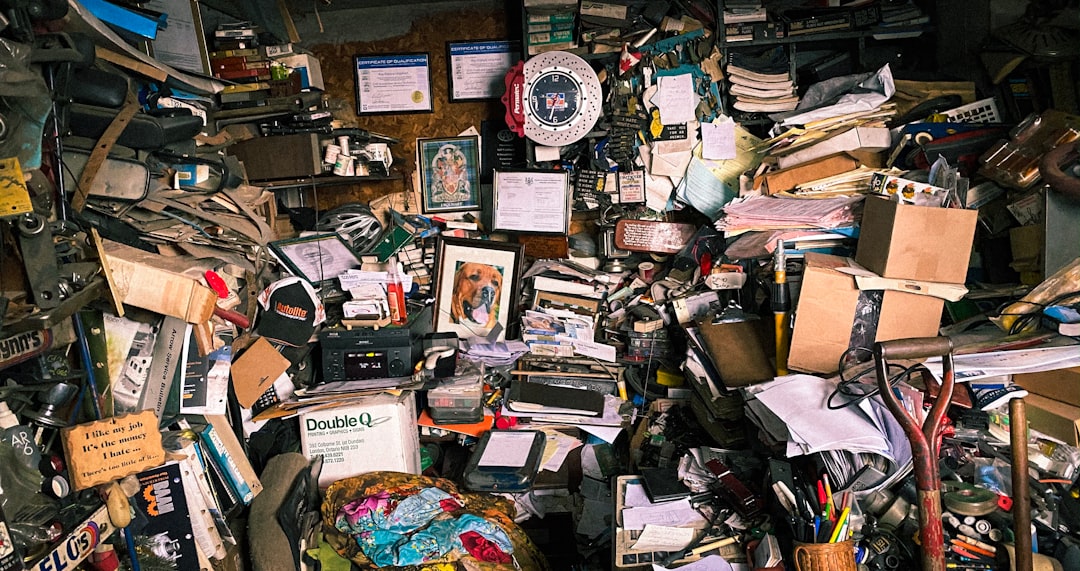
Basement clearance isn’t just about decluttering; it’s a critical process that requires meticulous care, especially when dealing with potential hazardous materials. As basement clearance experts in Hertfordshire, Bedfordshire, and East Sussex, we’ve encountered countless scenarios where improperly handled substances pose significant risks to health and safety. This guide offers an in-depth look at what makes materials hazardous and practical tips for safe disposal, ensuring your basement clearance project doesn’t become a liability.
Hazardous materials encompass a wide range of substances, from asbestos and lead paint to chemicals, electronics, and contaminated soil. These materials are defined by their toxic, reactive, or flammable properties, making them dangerous not only for the individuals handling them but also for the environment if not disposed of properly. For instance, old electrical wires, a common find in many basements, may contain asbestos or lead, which, if disturbed, can release harmful fibers or particles into the air. Similarly, certain paints, solvents, and cleaners stored in the basement can be highly volatile and reactive, posing risks of explosions or toxic exposure if not managed correctly.
Basement clearance experts play a pivotal role in mitigating these risks. We recommend a systematic approach that begins with thorough inspection and identification. This involves meticulously examining every item and surface, documenting potential hazards, and developing a safe disposal plan. For example, we might use specialized equipment, like air monitors, to assess the presence of volatile organic compounds (VOCs) or other hazardous gases. Once identified, materials are classified based on their inherent danger, and we employ appropriate containment and disposal methods. This could involve using specialized packaging, adhering to local disposal regulations, and, in some cases, enlisting the help of licensed hazardous waste management companies.
In regions like Hertfordshire, Bedfordshire, and East Sussex, where we operate, it’s crucial to stay informed about local regulations governing hazardous material disposal. These guidelines are designed to protect both residents and the environment. We encourage homeowners to consult these resources and, whenever unsure, seek guidance from reputable basement clearance experts like ourselves. Remember, the safety of your family and the environment should always be the top priority during basement clearance, making it wise to give us a call at Efficient Basement Clearance for professional assistance when dealing with potentially hazardous materials.
Safe Disposal Methods: Steps for Responsible Recycling

When it comes to basement clearance, responsible recycling is paramount for both environmental sustainability and family safety. Basement clearance experts across Kent, Hampshire, and East Sussex understand this crucial aspect of decluttering, ensuring that hazardous materials are handled with care while maximizing the potential for repurposing and reusing items.
The first step in safe disposal involves identifying potentially harmful substances. Common items found in basements—from old paint cans to electronic waste—can contain toxic chemicals if not managed properly. Basement clearance experts utilize their expertise to segregate these items, placing them in appropriate containers marked with clear warnings. For example, lead-based paint should be disposed of according to local regulations, often requiring special collection services. Similarly, electronic waste, a significant contributor to environmental pollution, is carefully handled and recycled through certified facilities.
Once hazardous materials are segregated, the next phase involves responsible recycling and disposal. Working with reputable recyclers ensures that items like metal, plastic, and paper are processed efficiently while minimizing environmental impact. Basement clearance experts often collaborate with local recycling centers, ensuring that materials are properly categorized and sent to suitable facilities. For instance, many areas have dedicated collection points for large items like refrigerators or old furniture, which can be refurbished or recycled in an eco-friendly manner.
Finally, basement decluttering offers a unique opportunity to promote family safety. By adhering to strict disposal protocols, residents can mitigate potential health risks associated with outdated or contaminated items. This includes proper disposal of cleaning products, batteries, and even seemingly harmless items like old mattresses that can harbor pests and allergens. Expert advice from local basement clearance specialists, such as those found in Kent, Hampshire, and East Sussex, is invaluable in navigating these considerations. By finding us at basement decluttering for family safety, homeowners gain access to professionals who prioritize both responsible recycling and comprehensive home safety.
Legal Considerations: Permits and Regulations for Basement Cleanup
Legal Considerations: Permits and Regulations for Basement Cleanup
When it comes to basement clearance, especially in areas like Dorset, Warwickshire, and Gloucestershire, understanding the legal landscape is paramount. While many homeowners tackle smaller projects themselves, larger-scale basement renovations often require permits and adherence to specific regulations. Failure to do so can result in costly fines and project delays. The first step for any basement clearance expert—whether you’re a homeowner or a professional—is to familiarize themselves with local building codes and permit requirements. These guidelines ensure that structures meet safety standards and are built to withstand potential risks, like flooding or structural failure.
In many regions, including Dorset, Warwickshire, and Gloucestershire, homeowners must obtain a building permit for basement conversions or renovations that alter the property’s structural elements. Permits ensure projects comply with local construction codes and include provisions for adequate ventilation, lighting, and safety features. For instance, in some areas, basement spaces must meet specific clearance heights, have emergency escape routes, and be equipped with smoke detectors and carbon monoxide alarms. Professional basement clearance experts are well-versed in these regulations and can guide clients through the permit application process, ensuring all necessary documents are submitted accurately and promptly.
Basement clearance projects also require attention to environmental health regulations, especially when dealing with potential asbestos or other hazardous materials. Local health departments often oversee these aspects, providing guidelines for safe removal and disposal. Homeowners considering DIY basement clearance should consult with professionals like Dorset, Warwickshire, and Gloucestershire-based experts who can assess the project’s environmental implications and ensure compliance. Remember, proper research and adherence to legal requirements are essential steps in ensuring a successful and safe basement clearance project. For expert guidance tailored to your location, consider reaching out to local basement clearance experts; they understand the nuances of local regulations and can offer valuable insights throughout the process. Visit us at troubleshoot basement organization anytime for more information.
Eco-Friendly Alternatives: Sustainable Practices by Basement Clearance Experts
As basement clearance experts across Warwickshire, Northamptonshire, and Cheshire, we’ve witnessed a growing awareness among homeowners about sustainable practices. The traditional method of disposing of large volumes of waste from basement clearances often involves sending it to landfills, contributing to environmental degradation. However, basement clearance experts naturally play a pivotal role in promoting eco-friendly alternatives, ensuring that the decluttering process aligns with modern environmental stewardship.
One of our primary strategies is recycling and repurposing materials whenever possible. For instance, we’ve successfully reused wood from old basement structures for DIY projects, reducing demand for new resources. Similarly, we carefully sort electronic waste, batteries, and hazardous materials, ensuring they are disposed of through specialized channels that minimize environmental impact. By integrating these sustainable practices, our team not only meets the needs of clients but also contributes to a cleaner, greener future.
Moreover, we advocate for donating usable items to charities or community groups. This approach diverts a significant amount of waste from landfills and provides second chances for valuable possessions. For example, gently used furniture, clothing, and home goods can find new homes through local donation centers, reducing the need for constant production and consumption. This method is not only beneficial for the environment but also supports local communities, fostering a circular economy.
In conclusion, basement clearance experts across our service areas in Warwickshire, Northamptonshire, and Cheshire are committed to sustainable practices. By prioritizing recycling, repurposing, and donating, we’re transforming what was once considered waste into valuable resources. We invite you to join us on this journey towards a greener future. Find us at cost of basement decluttering if you’re ready to take the first step towards eco-friendly basement clearance.
By understanding hazardous materials commonly found in basements and implementing safe disposal methods, basement clearance experts can ensure responsible recycling and minimize environmental impact. Legal considerations, including permits and regulations, are crucial for proper basement cleanup to avoid penalties and ensure compliance. Additionally, adopting eco-friendly alternatives recommended by these experts promotes sustainability without compromising effectiveness. Key takeaways include the importance of expert guidance, adherence to legal frameworks, and embracing green practices for comprehensive and responsible basement clearance.