
Basement clearance experts address unique health hazards in UK basements, including mold, asbestos, outdated electrical systems, and plumbing issues. They offer tailored solutions for moisture control, ventilation improvement, and hazardous material removal, transforming basements into safe, valuable spaces. Key strategies include pre-clearance assessment, safe clearance practices, post-clearance decontamination, ongoing monitoring, regulatory compliance, and long-term care via specialized equipment and expertise. Investing in basement clearance experts prevents health risks, protects property value, and ensures a safe living environment.
The basement, often a forgotten and underutilized space in homes and buildings, presents unique health hazards that demand immediate attention. Accumulated dust, mold growth, and inadequate ventilation can lead to respiratory issues and other serious health problems for occupants. This article delves into the critical importance of basement clearance as a proactive measure against these dangers. By examining the root causes of contamination, we highlight the expertise required from specialized basement clearance experts who employ advanced techniques and equipment to ensure safe and livable environments below grade.
- Understanding Basement Hazards: Common Risks & Origins
- Health Impact: Identifying Symptoms & Potential Diseases
- Professional Basement Clearance: The Role of Experts
- Effective Prevention Strategies: Before, During, and After
- Regulatory Compliance: Building Codes & Safety Standards
- Long-Term Care & Maintenance: Ensuring Safe Living Spaces
Understanding Basement Hazards: Common Risks & Origins
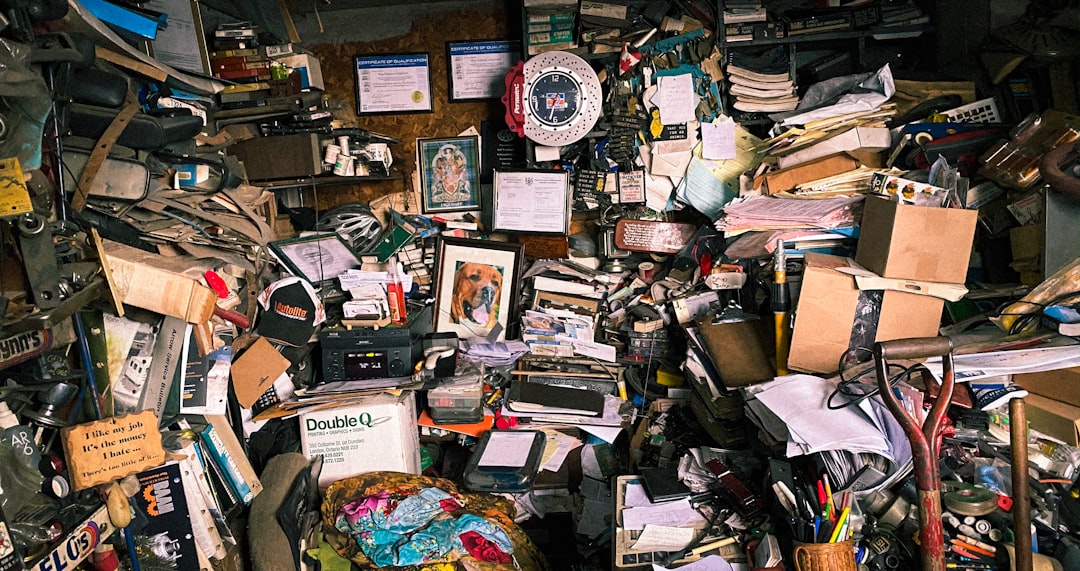
Basement clearance experts across the UK, from Cheshire Basement clearance experts to Devon and Gloucestershire specialists, are often called upon to navigate a web of potential health hazards that can accumulate in these often overlooked spaces. While basements provide valuable storage and living areas for many homeowners, they also present unique challenges due to their confined nature and tendency to host various environmental factors. Understanding these risks is paramount not only for ensuring the safety of occupants but also for maintaining a healthy indoor environment.
Common basement hazards stem from a variety of sources. Moisture intrusion, for instance, is a prevalent issue that can lead to mold growth, a significant health concern as it triggers respiratory problems and allergies. This problem is exacerbated by poor ventilation and the natural tendency of basements to be damp environments. Another critical risk is the potential presence of asbestos, a material commonly used in older homes for insulation and flooring. Asbestos exposure poses severe long-term health risks, including mesothelioma and lung cancer, making professional assessment and removal imperative. Moreover, basement areas often house outdated electrical systems and plumbing that may not meet modern safety standards, posing fire and leak hazards.
Cheshire, Devon, and Gloucestershire Basement clearance experts are equipped with the knowledge and specialized equipment to identify and mitigate these risks effectively. Their expertise lies in assessing the unique conditions of each basement, implementing tailored solutions for moisture control, ventilation improvement, and hazardous material removal. By adhering to strict safety protocols and leveraging advanced techniques, these professionals ensure that basements are transformed from potential health hazards into safe, functional spaces that can enhance a home's overall value. Visiting us at [expert advice on basement storage](link) anytime offers valuable insights and guidance for anyone looking to address these complex issues professionally.
Health Impact: Identifying Symptoms & Potential Diseases

The health hazards associated with basements are often overlooked, yet these enclosed spaces can pose significant risks to well-being due to their unique environmental conditions. Prolonged exposure to basement environments may lead to a range of symptoms and even develop into more serious health issues. Somerset basement clearance experts, Buckinghamshire basement clearance experts, and Berkshire Basement clearance experts highlight the importance of understanding these potential dangers to ensure safe living or working spaces.
Common symptoms related to basement habitats include respiratory distress, headaches, fatigue, and skin irritations. Poor ventilation and high humidity levels can exacerbate conditions like asthma, bronchitis, and sinus infections. Mold growth is another critical concern; it not only causes allergic reactions but also contributes to a range of health problems, from respiratory issues to more severe immune system responses. For instance, a 2019 study by the American College of Allergy, Asthma & Immunology found that exposure to mold spores can trigger or worsen asthma symptoms in susceptible individuals.
Identifying these hazards early is crucial for prevention. Regular inspections and proper basement clearance are essential steps. Berkshire basement clearance experts recommend addressing issues like water leaks, moisture problems, and inadequate ventilation promptly. By taking proactive measures, such as hiring specialized professionals (find us at expert advice on basement storage) to assess and rectify these conditions, homeowners and business owners can mitigate the risks associated with basements, ensuring healthier environments for all occupants.
Professional Basement Clearance: The Role of Experts

Basement clearance experts play a crucial role in mitigating health hazards commonly associated with these often-overlooked spaces. In regions like North Yorkshire, Hampshire, and Kent, where basement flooding and moisture issues are prevalent, professional intervention is essential to ensure safe and livable environments. These specialists not only address the physical challenges of clutter removal but also employ advanced techniques to decontaminate and dry out basements, preventing the growth of mold, a significant health concern.
The process begins with an extensive assessment by basement clearance experts who identify sources of moisture, assess structural integrity, and determine the extent of contamination. They utilize specialized equipment like dehumidifiers and air purifiers to reduce humidity levels, creating an environment inhospitable to mold growth. In severe cases, these experts may employ advanced remediation techniques, including subfloor decontamination and biohazard cleanup, to address hidden dangers. For instance, a study by the American College of Allergy, Asthma & Immunology found that 50% of homes with moisture issues have elevated levels of airborne fungi, posing risks to occupants' respiratory health.
Moreover, basement clearance experts offer guidance on long-term prevention strategies. This includes implementing proper ventilation systems, sealing entry points for water or pests, and establishing efficient drainage solutions. By combining these measures with regular inspections, homeowners can significantly reduce the chances of future health hazards. For those seeking simple basement decluttering steps, experts recommend starting with organizing essential items, removing sources of moisture, and addressing structural issues before considering larger-scale renovations.
Effective Prevention Strategies: Before, During, and After
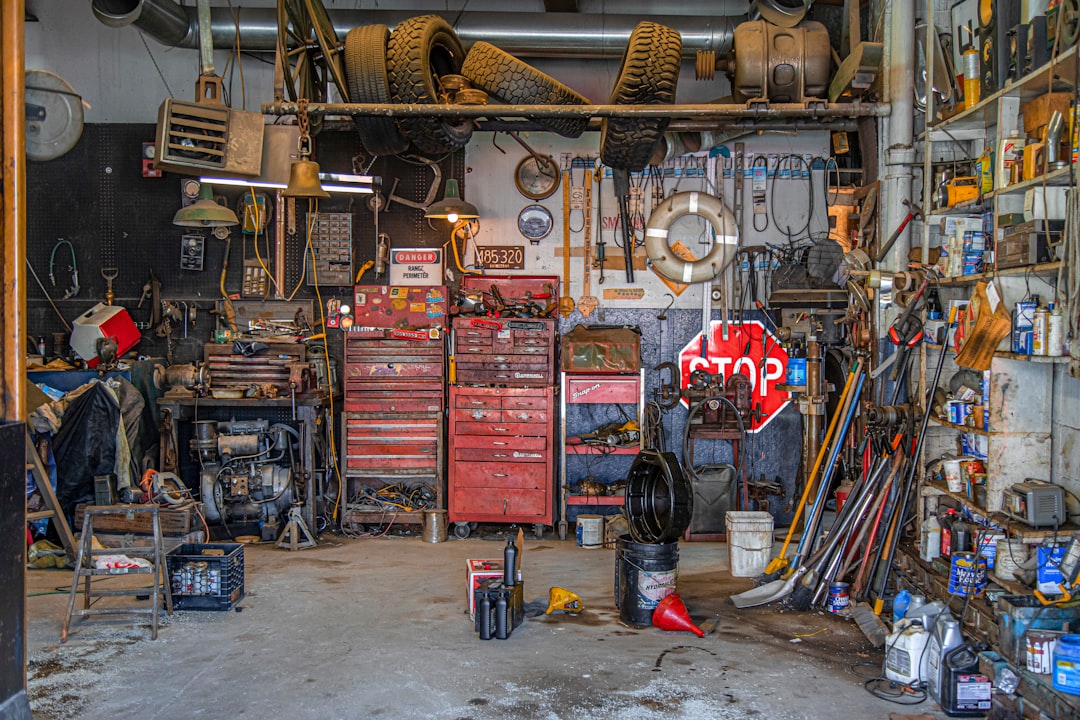
Effective Prevention Strategies: Before, During, and After
Preventing health hazards in basements requires a multi-pronged approach that combines proactive measures, thorough cleanup, and ongoing monitoring. Before any work begins, Gloucestershire, Wiltshire, and Dorset basement clearance experts recommend assessing the scope of potential risks and developing a comprehensive plan. This includes identifying sources of moisture, checking for mold growth, and assessing structural integrity. Regular inspections and maintenance are key; addressing issues early can prevent escalation and costly repairs.
During basement clearance, safety should never be compromised. Basement clearance experts emphasize the importance of proper ventilation, especially during demolition or renovation activities. Wearing protective gear, such as masks, gloves, and eye protection, is crucial to mitigate exposure to hazardous materials like asbestos, lead paint, or mold spores. Furthermore, expert guidance is essential for safe removal of potentially dangerous items, including old heating systems, decaying insulation, or contaminated materials.
After completion of clearance activities, a thorough decontamination process is vital. Gloucestershire, Wiltshire, and Dorset basement clearance experts recommend professional cleaning to eliminate any lingering contaminants and ensure a healthy environment. Regular monitoring post-clearance helps identify any recurring issues and allows for swift intervention if necessary. Additionally, providing residents with resources and education on maintaining a dry, well-ventilated basement can prevent future health hazards. Remember, prevention is always more effective and less costly than remediation, so investing in expert advice from affordable basement decluttering options is a wise decision for any homeowner.
Regulatory Compliance: Building Codes & Safety Standards

Regulatory Compliance: Building Codes & Safety Standards
The basement clearance process involves more than just removing clutter; it's a critical opportunity to ensure your space complies with health and safety regulations. In regions like Worcestershire, Cheshire, and West-Sussex, where basements are common, adhering to strict building codes and safety standards is paramount for preventing health hazards. These guidelines are designed to mitigate risks associated with poor ventilation, mold growth, hazardous materials, and structural instability. Engaging basement clearance experts who understand these regulations can be invaluable.
For instance, local building codes often dictate minimum ceiling heights, lighting requirements, and escape route planning – all essential elements for a safe basement environment. Improper clearance without regard to these standards could result in fines or even legal liability. Furthermore, Worcestershire, Cheshire, and West-Sussex basement clearance experts know that specific materials commonly found in basements, such as asbestos or lead paint, require special handling and disposal methods to avoid posing risks to occupants.
In addition to local building codes, national safety standards play a vital role in basement clearout projects. Organizations like the Health and Safety Executive (HSE) provide guidelines for workplace safety, including guidance on air quality, dust control, and risk assessment. Ignoring these regulations not only puts your health at risk but could also lead to legal repercussions. To ensure compliance, consider working with a reputable basement clearance expert who is well-versed in both local laws and national standards.
Visit us at [how to plan a basement clearout](link) anytime for more information on navigating the regulatory landscape and achieving a safe, healthy basement environment. Remember, taking the time to understand and adhere to these guidelines will pay dividends in the long run, ensuring your basement is a safe and usable space for years to come.
Long-Term Care & Maintenance: Ensuring Safe Living Spaces
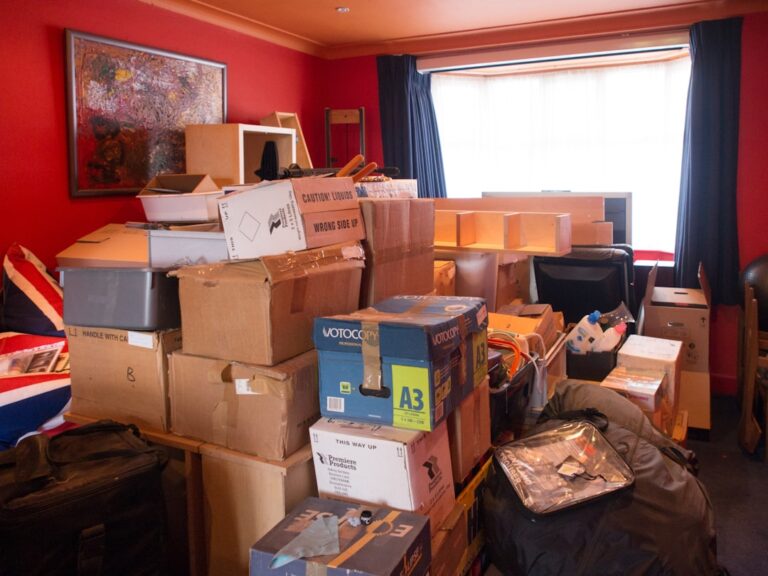
Long-Term Care & Maintenance: Ensuring Safe Living Spaces
Basements, while providing valuable storage and living space, present unique health hazards that require proactive management over time. Moisture, mold, and poor ventilation are common issues that can lead to respiratory problems, allergies, and even structural damage if left unaddressed. This is particularly concerning for individuals with pre-existing conditions or compromised immune systems who spend significant time in basements.
Regular basement clearance and maintenance by Worcestershire, Cambridgeshire, or Warwickshire basement clearance experts are essential to mitigate these risks. These professionals employ specialized equipment and techniques to remove moisture, eradicate mold spores, and improve air quality, creating a healthier environment for residents long-term. For instance, professional dehumidifiers can reduce humidity levels below the recommended 50%, significantly decreasing the potential for mold growth.
Over time, even well-maintained basements may require reevaluation and renovation after basement clearout to address changing needs or emerging issues. This could involve updating ventilation systems, installing effective moisture barriers, or reinforcing structural integrity. Investing in these measures not only enhances indoor air quality but also safeguards the value of your property and ensures a safe living environment for years to come. Give us a call at home renovation after basement clearout for expert advice tailored to your specific needs.
The comprehensive exploration of basement hazards, health impacts, and mitigation strategies presented in this article equips readers with invaluable knowledge for ensuring safe living environments. Key insights include understanding common risks like mold, asbestos, and poor ventilation; recognizing potential health symptoms and associated diseases; and the critical role of professional basement clearance experts in effective remediation. Effective prevention involves pre-construction planning, ongoing maintenance, and swift post-disaster action, all underpinned by adherence to building codes and safety standards. Long-term care encompasses regular inspections and proactive measures to prevent future issues. By integrating these strategies, homeowners can significantly minimize health risks associated with basement environments, underscoring the importance of basement clearance experts in achieving and maintaining safe, livable spaces.