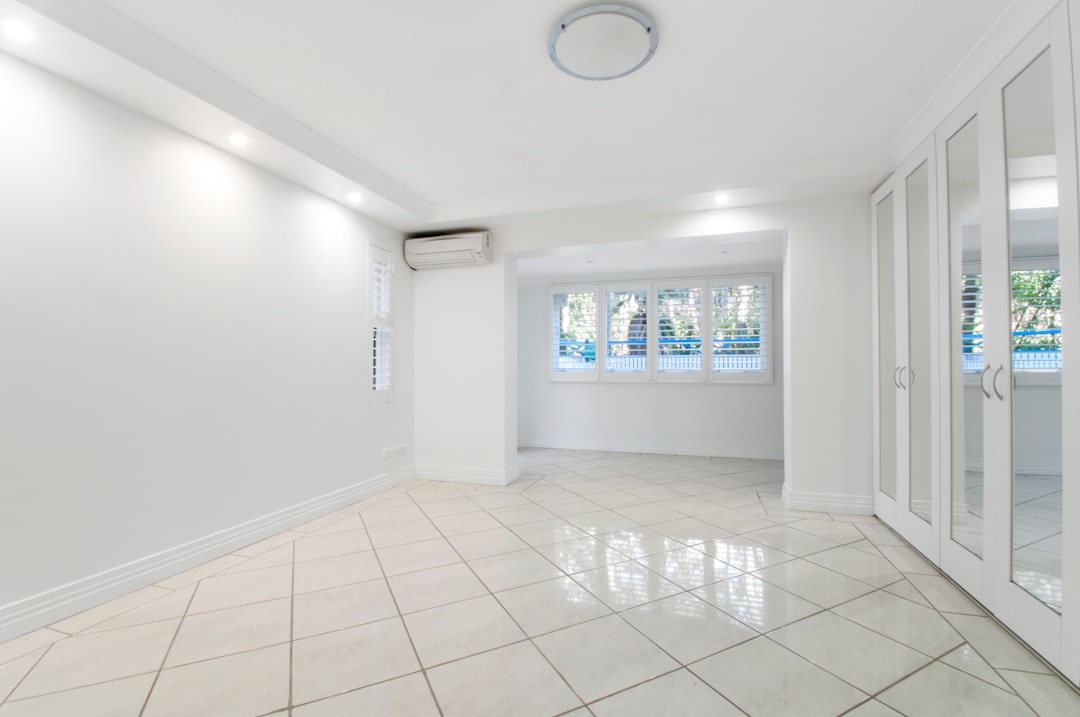
In today’s fast-paced world, efficient decluttering has become a vital practice for maintaining a peaceful and organized living space. Cluttered homes not only present aesthetic challenges but can also impact mental well-being and productivity. Basement clearance is a common yet daunting task, often involving years of accumulated items, from old furniture to forgotten treasures. This article provides a comprehensive guide to mastering decluttering, equipping readers with practical strategies to transform their cluttered spaces. Drawing from the expertise of basement clearance specialists, we offer insights into sorting, organizing, and letting go, ensuring a streamlined and empowering decluttering journey.
- Assessing Clutter: Prioritizing for Efficient Decluttering
- Strategic Packing: Maximizing Space, Minimizing Stress
- Basement Clearance: Expert Tips for Uncluttering Below
Assessing Clutter: Prioritizing for Efficient Decluttering
Assessing clutter is a crucial step in any efficient decluttering process. It’s the first step towards transforming spaces and enhancing quality of life. Whether it’s a cluttered basement or an overstuffed closet, understanding what truly needs to be kept is essential for creating a more organized, functional environment. Devon, Dorset, and Kent basement clearance experts emphasize that this initial phase involves asking critical questions: Does this item serve a purpose? Do I use it regularly? Does it bring me joy? Answering these honestly can help you identify items that are simply taking up valuable space and contribute to feelings of overwhelm.
For instance, consider the average household spends approximately 10% of its living area on storing items they barely use. This equates to a significant amount of time, energy, and mental space wasted on maintaining these possessions. A thorough assessment can reveal opportunities for simplification and free up this valuable real estate. For example, that box of old clothes from college might evoke nostalgia but if it hasn’t seen the light of day in years, consider donating or recycling it to make room for items with more immediate utility.
Prioritizing involves setting realistic goals and making conscious decisions about what to keep, donate, sell, or recycle. Working room by room, or even category by category, can make this process feel less daunting. A helpful strategy is to create three piles: Keep, Donate/Sell, and Trash/Recycle. This visual representation allows for clear distinction between items that add value to your life versus those that are no longer needed. Remember, efficient decluttering isn’t about perfect minimalism; it’s about creating a space that feels good, works for you, and supports your lifestyle.
When in doubt, consider reaching out to basement clearout for real estate sale. Our team of experts has extensive experience helping homeowners throughout Devon, Dorset, and Kent navigate the decluttering process with efficiency and care. We offer personalized guidance tailored to each client’s unique needs, ensuring a smoother transition towards a more organized future.
Strategic Packing: Maximizing Space, Minimizing Stress
Strategic packing is a key component of efficient decluttering, especially when dealing with challenging spaces like basements. By implementing thoughtful packing techniques, you can maximize storage in your basement, transform it into a functional area, and reduce stress associated with clutter. This approach is particularly beneficial for those living in areas like Dorset, Gloucestershire, or Northamptonshire, where basement clearance experts are often sought after for their specialized knowledge and skills.
The first step in strategic packing is sorting. Separate items into categories: keep, donate, recycle, or discard. This process allows for a more organized packing approach. For instance, group similar items together, such as books, clothes, or sports equipment. Use clear, labeled storage containers to easily identify and access these items in the future. Basement clearance experts often recommend using vertical space efficiently by stacking boxes or bins on shelves, utilizing every inch of available storage.
Once sorted, pack items compactly to save space. Utilize vacuum-sealed bags for clothing and linens, which reduce bulk and save valuable room. For fragile items, invest in packing materials like bubble wrap or foam to ensure safe transportation. Consider the size and weight of objects when deciding on storage solutions. Dorset, Gloucestershire, and Northamptonshire basement clearance experts often suggest vertical hanging organizers for lightweight items like winter coats or scarves, freeing up floor space. By implementing these packing strategies, you can transform your basement from a cluttered maze into a well-organized, usable area, without breaking a sweat.
Remember, effective packing is an ongoing process. Regularly review and update your storage system to ensure it remains efficient. If you’re feeling overwhelmed, consider seeking assistance from local basement organization services. They can provide expert guidance and personalized solutions, ensuring your basement clearance is a seamless and stress-free experience.
Basement Clearance: Expert Tips for Uncluttering Below
Basement clearance can be a daunting task, but with expert guidance, it becomes a manageable and even rewarding process. For those in Somerset, Bedfordshire, or Wiltshire seeking to transform their cluttered basements, understanding the best techniques is key. Basement clearance experts are trained to handle various challenges, from removing oversized items to dealing with sentimental attachments. They employ systematic approaches, ensuring every nook and cranny is addressed efficiently.
A common strategy involves categorizing items into keep, donate, recycle, or dispose categories. Experts recommend starting fresh by clearing out all existing contents, allowing for a clear canvas. For example, old furniture can be disassembled, taking up less space, while fragile items may require specialized handling and storage solutions. Professional basement clearance experts in these regions have access to resources like local donation centers, ensuring a significant portion of discarded materials find new homes.
In many cases, excessive clutter results from years of accumulation. Somerset, Bedfordshire, and Wiltshire basement clearance experts emphasize the importance of regular decluttering sessions. By setting aside dedicated time each year, homeowners can maintain an organized space. Moreover, investing in storage solutions like plastic containers or shelving units is crucial for long-term organization. Fix Basement Mess quickly offers tailored advice and support, empowering individuals to take control of their living spaces and enjoy the benefits of a clutter-free environment.
By synthesizing insights from assessing clutter, strategic packing, and basement clearance techniques, readers now possess a comprehensive toolkit for efficient decluttering. Key takeaways include prioritizing items based on use and emotional attachment, employing space-maximizing packing strategies, and leveraging expert tips for clearing out stubborn basement areas. Basement clearance experts emphasize the importance of a methodical approach, considering both practical needs and aesthetic goals. Moving forward, readers are encouraged to apply these principles, starting with assessing their current clutter levels and making strategic decisions about what to keep, donate, or discard. This structured approach ensures not only physical space optimization but also mental clarity and peace of mind.
1. Assessing Clutter (Devon, Dorset, Kent Experts): Identify items’ purpose, use, and joy to decide what to keep, donate, sell, or recycle, aiming for an organized, functional space.
2. Strategic Packing (Basement Clearance Experts): Sort items, use labeled containers, stack boxes efficiently, and employ compact packing methods (e.g., vacuum-sealed bags) to maximize basement storage.
3. Basement Clearance by Experts (Somerset, Bedfordshire, Wiltshire): Categorize items, clear out existing contents, disassemble furniture, and utilize local donation centers. Regular decluttering and storage solutions are key for long-term organization.